505(b)(1)
LXP108
LXP108 is a new chemical entity, and in our plan, it will treat carcinoma related to the digestive system.

适应症
实体肿瘤
- 肾脏肿瘤
- 肝癌
- 胰脏癌
Science
多靶点激酶抑制剂(Multi-target Kinase Inhibitor)
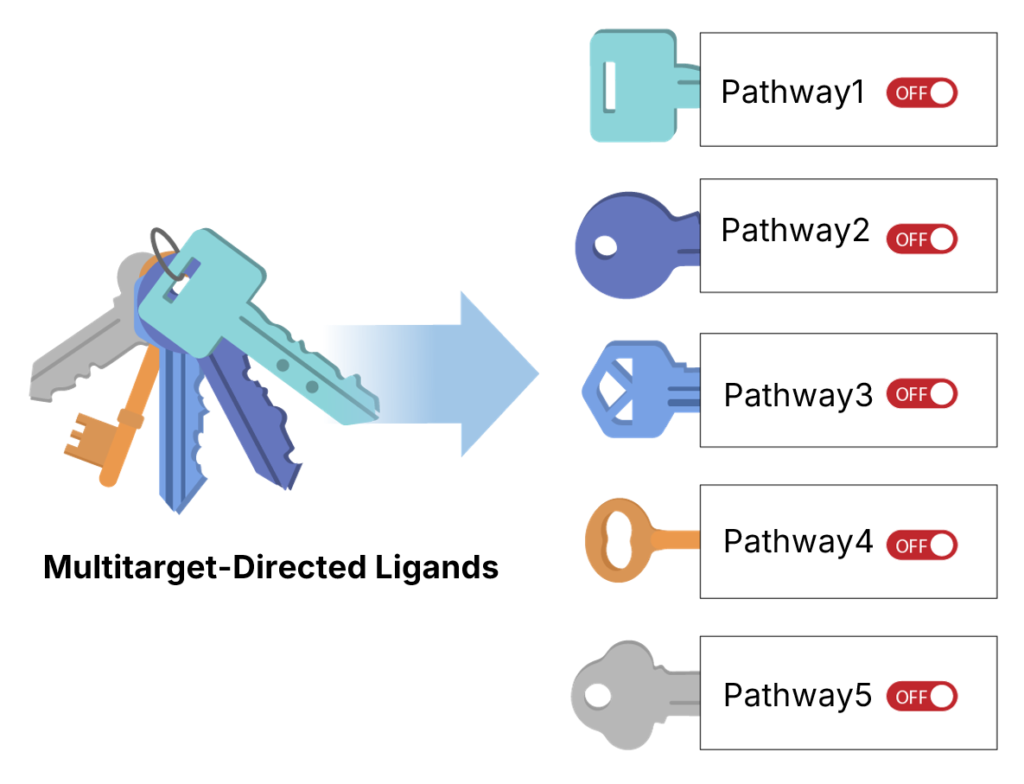
LXP108 is a multi-target kinase inhibitor that simultaneously inhibits multiple signaling pathways essential for cancer cell proliferation.
优势::
- 更有效的抑制癌细胞生长
- 降低副作用
- 克服抗药性

最新进展
- 于2024年进入第一阶段临床试验
- 美国FDA及台湾TFDA IND申请中
临床前
申请
第一阶段
第二阶段
第三阶段
上市
Phase1
Pre-clinical 临床前研究
LXP108 can effectively inhibit 胰脏癌及肝癌 (动物试验)
胰脏癌

肝癌

Compare to other drug 相对于其他药物
LXP108 has better inhibitory effect

癌症细胞株说明
MOLM-13
Acute Monocytic Leukemia Cell Line
The cell line was established from the peripheral blood of a patient at relapse of acute monocytic leukemia which had evolved from myelodysplastic syndrome (MDS).
MV4-11
Acute Monocytic Leukemia Cell Line
The cell line was established from the peripheral blood of a patient at relapse of acute monocytic leukemia which had evolved from myelodysplastic syndrome (MDS).
RS4-11
Acute Monocytic Leukemia Cell Line
A lymphoblast cell line that was isolated from the marrow of a White, 32 years old, female patient with acute lymphoblastic leukemia.
HCC827
Non-Small Cell Lung Cancer Cell Line
An epithelial cell that was isolated from the lung of a White, 39-year-old female patient with adenocarcinoma.
H1975
Non-Small Cell Lung Cancer Cell Line
The cell line was isolated from the lungs of a nonsmoking female with non-small cell lung cancer.
H2228
Non-Small Cell Lung Cancer Cell Line
The cell line was isolated from a lung adenocarcinoma derived from a female nonsmoker with non-small cell lung cancer.
HCT-116
Colon Cancer Cell Line
The cell line was isolated from the colon of an adult male with colon cancer.
Mia-PaCa2
Pancreatic Cancer Cell Line
An epithelial cell line that was derived from tumor tissue of the pancreas obtained from a 65-year-old, White male.
比较药物相关说明
Linifanib
- 抑制受体酪胺酸激酶(RTK)、血管内皮生长因子(VEGF)和血小板衍生生长因子(PDGF)
- 目前处于第三期临床试验。
- 适应症
肝细胞癌
Sorafenib
- 抑制Raf激酶、PDGF(血小板衍生生长因子)、VEGF受体2和3激酶,以及c-Kit(干细胞因子受体)
- 于2005年12月20日首次获得FDA批准。
- 适应症
2005年:晚期肾细胞癌
2007年:无法切除的肝细胞癌
2013年:转移性分化型甲状腺癌(Metastatic Differentiated Thyroid Cancer)
Midostaurin
- 抑制蛋白激酶Cα、VEGFR2、KIT、PDGFR以及野生型/突变型FLT3酪胺酸激酶。
- 于2017年4月28日获得FDA批准。
- 适应症
2017年:FLT3突变型急性骨髓性白血病(AML)及系统性肥大细胞增多症(Systemic Mastocytosis)
Clinical Study Design 临床试验之规划
Phase I 临床试验预计于 2024 Q2进行
三家台湾医院
实体肿瘤病患
预计收30~40名临床受试者
Adaptive 3+3
预计一次疗程为六个月
预计一周注射药物一次

专利
取得美国、台湾地区、南韩、中国、欧洲,总计17个地区。
- United States
- Taiwan
- Korea
- China
- Europe